
In addition to historical diverseness, cultural powerfulness, particularly the large percentages of Muslims and Christians, have also impart unique dishes and styles to Kerala cuisine, particularly non-vegetarian dishes. The meat eating habits of the people were historically limited by religious taboos. Brahmins avoid non vegetarian items. However, most modern-day Hindus do not observe any dietetic taboos, except a few of those belonging to upper castes who do not take in beef and pork. Most Muslims do not eat pork and other prohibited by Islamic law. Alcohol is available in Kerala in many hotels and over a thousand bars and liquor stores, but state authorities plan to close the vast bulk of these outlets in a ten-year plan, starting in 2014, to combat rinking problem.
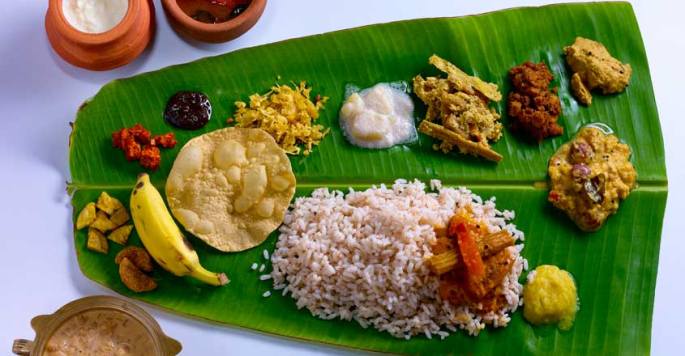
One of the traditional Kerala dishes are vegetarian and is known as the Kerala Sadya, which is an elaborate banquet prepared for festivals and ceremonies. A full-course Sadya, which consists of rice with about twenty assorted accompaniments and desserts is the ceremonial occasion meal of Kerala eaten usually on celebratory occasions including marriages, Onam and Vishu. It is served on a plantain banana leaf.


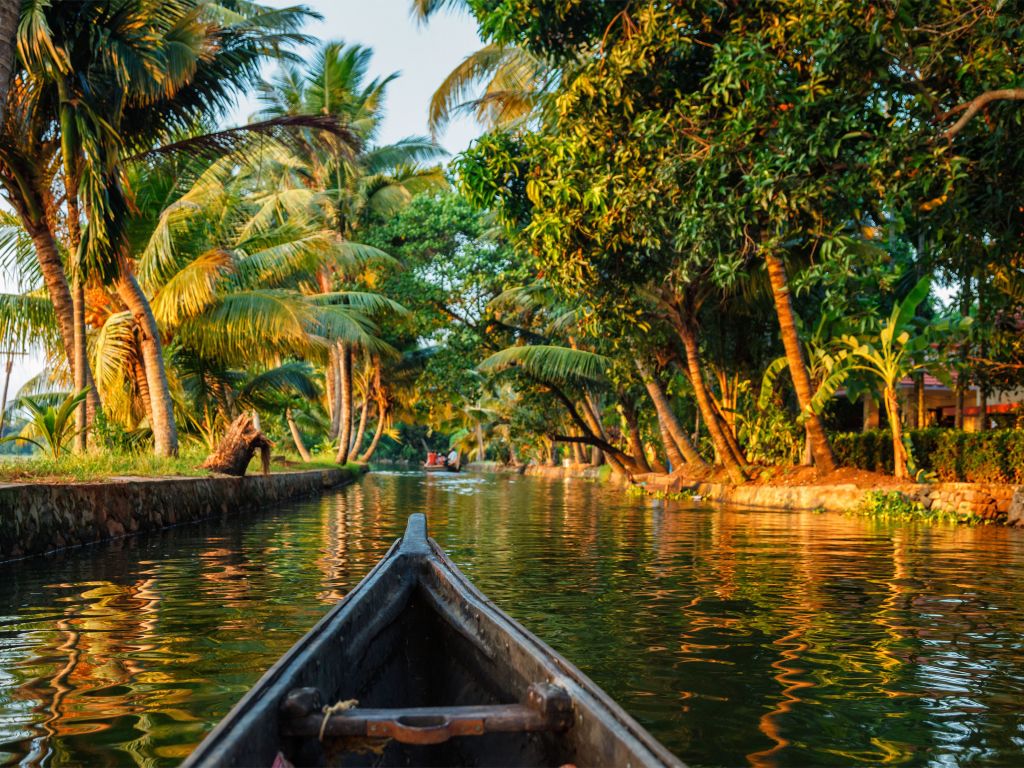
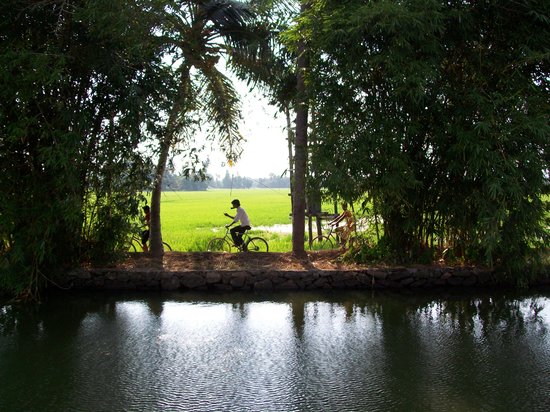

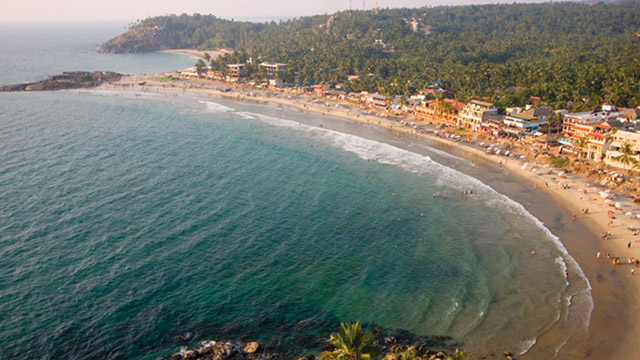

 Kerala Sightseer